
Navigating Spirituality in Times of Uncertainty
By Henrik Lefebvre · · 5 min read
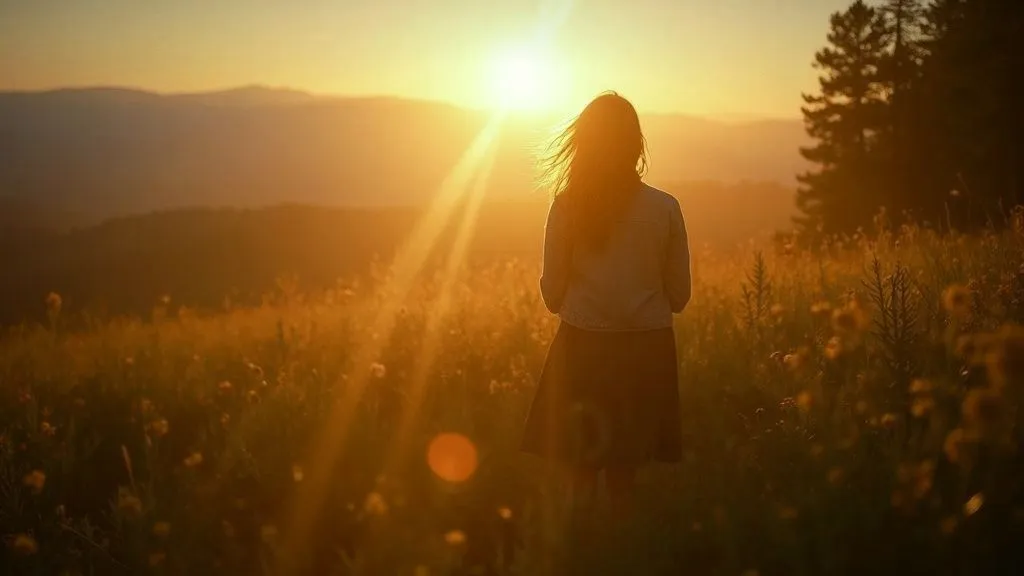
In times of uncertainty, many individuals experience heightened anxiety, confusion, and a crisis of purpose. Spirituality in uncertainty offers a guiding light, helping us navigate through the tumultuous waters of life. Although embracing spiritual practices may initially seem daunting, they can serve as a comforting balm in the face of adversity. In this article, we’ll explore the unique challenges posed by uncertainty and provide actionable solutions rooted in spiritual practices.
The Challenge of Uncertainty
Uncertainty has become a constant in our modern lives. A 2022 survey by the American Psychological Association indicated that over 79% of individuals reported feeling anxious about future events. Factors such as economic instability, political unrest, and global crises contribute significantly to these feelings.
This environment breeds a disconnection from the self and the present moment, leading to existential questioning. We begin pondering questions like:
- What is my purpose?
- How do I find peace in chaos?
- Can I trust the future?
Spirituality’s Role
Spirituality can act as a powerful anchor in this storm of uncertainty. It invites individuals to explore their inner selves, fostering resilience and strength. This process often involves stepping back from the chaos of daily life and nurturing a deeper connection with oneself or a higher power—whatever that may look like to each individual.
The Benefits of Embracing Spirituality
-
Improved Mental Health: Research published in the journal Psychological Bulletin shows that individuals who engage in spiritual practices often experience lower levels of depression and anxiety.
-
Enhanced Resilience: Spirituality provides tools for coping with stress. It encourages acceptance and emotional regulation, making us more resilient in the face of challenges.
-
Community Connection: Engaging in spiritual practices often leads to a stronger sense of community. According to a 2020 report from the Pew Research Center, 60% of spiritually engaged people felt a stronger connection to others, even during difficult times.
Practical Spiritual Strategies for Navigating Uncertainty
-
Mindfulness Meditation
Mindfulness meditation encourages individuals to focus on the present moment. Research from the University of Massachusetts indicated that regular mindfulness practitioners experience substantial reductions in anxiety and stress levels.
- How to Practice: Start with five minutes a day. Find a quiet space, sit comfortably, and focus on your breath. When thoughts of uncertainty arise, acknowledge them without judgement, then return to your breath.
-
Journaling for Self-Discovery
Journaling allows individuals to express their feelings and thoughts. It serves as a reflection tool, enabling clarity in our beliefs and fears.
- Technique: Set aside time weekly to jot down your thoughts. Focus on the following prompts:
- What uncertainties am I facing?
- How do these uncertainties affect my life?
- What spiritual practices can help me cope?
- Technique: Set aside time weekly to jot down your thoughts. Focus on the following prompts:
-
Connecting with Nature
Nature has a profound ability to ground us and offer perspective. A study by the University of Essex found that spending time in nature can reduce stress and improve mood.
- Action Step: Make it a practice to spend at least 30 minutes outside each day. Observe the beauty around you. Consider taking up hiking or gardening to deepen your connection with the earth.
-
Cultivating Gratitude
Practicing gratitude shifts our focus from what is lacking to what we have. According to a study published in Psychological Science, regularly expressing gratitude correlates with increased well-being and reduced feelings of anxiety.
- Implementation: Create a gratitude journal. Write down three things you are grateful for each day. This practice anchors you in positivity, even when uncertainty looms.
-
Engaging in Community Spiritual Practices
Being part of a community can significantly enhance your spiritual journey. Shared practices can foster a sense of belonging and support.
- Get Involved: Seek out local spiritual gatherings, book clubs, or online forums. Share your experiences and learn from others.
Expert Perspectives on Spirituality in Uncertainty
To understand the profound impact of spirituality on navigating uncertainty, I reached out to Dr. Eleanor Hayes, a clinical psychologist specializing in spiritual well-being.
“Spirituality is often misunderstood as a rigid belief system,” Dr. Hayes explains. “In reality, it can be a fluid journey of self-discovery. Those who embrace spirituality during uncertain times often report a greater sense of acceptance and peace. They begin to see uncertainty not as a threat, but as a part of the human experience.”
Another esteemed voice in this field is Richard Davidson, a neuroscientist whose research illustrates the impact of meditation on brain function. His findings highlight that meditation can physically alter brain structures associated with stress response, enhancing overall emotional well-being.
“Spiritual practices like meditation create a mental framework that allows for more adaptive responses during uncertainty,” Davidson emphasizes. “It’s about training the mind to cultivate resilience.”
Real-Life Applications: Stories of Transformation
Consider the story of Emily, a business owner who faced unprecedented challenges during the pandemic. Initially overwhelmed, she turned to spirituality for support, engaging in daily yoga and meditation. Over time, these practices helped her navigate her fears, enabling her to pivot her business model successfully.
Or take the example of Mark, who struggled with existential doubts after losing his job. Through journaling and connecting with a spiritual community online, he discovered new passions and purpose. Today, he embraces uncertainty as an opportunity for growth.
A Holistic Approach to Spirituality in Uncertainty
Embracing spirituality doesn’t require strict adherence to organized religion. It can be a personal journey that integrates a variety of practices. Consider the following holistic approach:
-
Physical Well-being: Incorporate routines that promote health. Exercise, nutritious diets, and sufficient rest can enhance your overall spiritual experience.
-
Emotional Maturity: Recognize and accept your emotions. Allowing yourself to feel is a critical step in cultivating a spiritual practice.
-
Intellectual Curiosity: Engage with spiritual literature. Books such as The Power of Now by Eckhart Tolle can provide valuable insights on living in the present moment.
-
Social Connectivity: Build relationships with like-minded individuals who support your spiritual journey. Sharing experiences can be incredibly enriching.
Final Thoughts
Spirituality in uncertainty offers a pathway to resilience and inner peace. By adopting practices such as mindfulness meditation, journaling, and cultivating gratitude, we can navigate life’s challenges with grace and acceptance.
Embrace uncertainty as a teacher—an opportunity for growth and transformation. As you deepen your spiritual journey, remember that you are never alone. Seek community and share your struggles and triumphs. The collective energy of shared spirituality can be a powerful force, guiding you toward clarity and purpose.
In embracing spirituality, we find not just answers to our questions, but also a deeper understanding of ourselves and our place in this vast universe. Let today be the day you take that step towards spiritual exploration, and watch as the clouds of uncertainty begin to part, revealing the light of possibility that awaits.