
Understanding the Impact of Climate Change on Agriculture and Livelihoods
By Henrik Lefebvre · · 4 min read
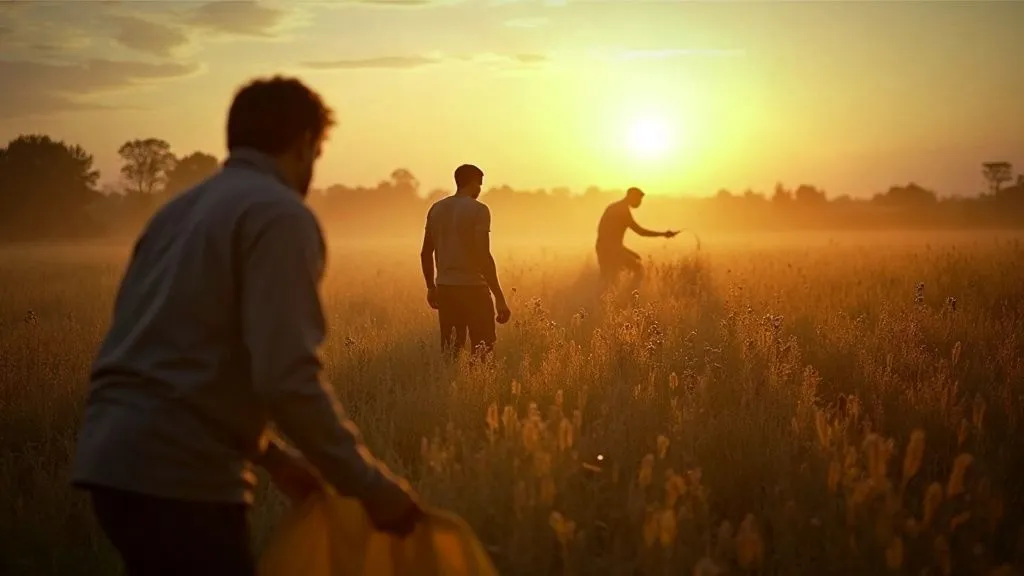
Climate change is no longer a distant threat; it is a reality that is profoundly reshaping agricultural landscapes and the livelihoods of millions globally. As the planet warms, farmers are facing challenges that impact not only the production of food but also their economic stability and community resilience. This article delves into the intricate relationship between climate change, agriculture, and livelihoods, exploring its effects and potential strategies for adaptation.
The Changing Climate: What Farmers Are Facing
Recent years have shown alarming trends in climate variability. From erratic rainfall patterns to rising temperatures, these changes are forcing farmers to adapt quickly.
Impact on Crop Yields
Many staple crops like wheat, rice, and maize are sensitive to temperature fluctuations. For instance, a rise in temperature can lead to reduced yields by affecting plant physiology and increasing the likelihood of pest infestations. Additionally, unpredictable rainfall can either lead to droughts or floods, both of which can devastate crop production.
Soil Degradation
Soil health is critical for agricultural productivity. However, climate change accelerates soil degradation through erosion, nutrient loss, and increased salinity. Extreme weather events, such as heavy rainfall, can wash away topsoil, reducing the land’s agricultural potential.
Water Scarcity
Water availability is becoming increasingly unpredictable. Regions that once had sufficient rainfall are facing drought conditions, while others are experiencing flooding. This duality poses a significant challenge for farmers who depend on consistent water sources for irrigation.
Livelihoods at Risk
Agriculture is not just about food production; it is the backbone of many economies and communities. As climate change affects agricultural output, the implications for livelihoods are profound.
Economic Vulnerability
Farmers often operate on thin margins, and reduced crop yields directly impact their income. This economic vulnerability can lead to a cycle of poverty, where farmers cannot afford to invest in better practices or technologies. Consequently, their ability to adapt to changing conditions diminishes.
Food Security Concerns
With declining agricultural productivity, food security becomes a pressing issue. Communities relying on local agriculture may find themselves facing shortages, driving up food prices and increasing dependency on external sources. This situation can lead to malnutrition and health-related problems, particularly for vulnerable populations.
Migration and Displacement
As agricultural conditions worsen, some individuals and families may be forced to migrate in search of better opportunities. This displacement can lead to social and economic challenges both for the migrating populations and the communities they leave behind.
Strategies for Adaptation and Mitigation
While the challenges posed by climate change are daunting, there are several strategies that can help farmers adapt and thrive in changing conditions.
Sustainable Agricultural Practices
Implementing sustainable practices is crucial for long-term resilience. Crop diversification, agroforestry, and soil conservation techniques can enhance productivity while protecting natural resources. These practices not only improve soil health but also increase biodiversity, making agricultural systems more resilient to climate shocks.
Improved Water Management
Water management is a critical aspect of adapting to climate variability. Techniques such as rainwater harvesting, drip irrigation, and the use of drought-resistant crop varieties can optimize water use. Farmers need to invest in infrastructure that allows for efficient water distribution and storage.
Education and Training
Education plays a pivotal role in helping farmers understand climate change and its impacts. Training programs that focus on climate-smart agriculture can empower farmers with the knowledge they need to make informed decisions. This includes understanding weather patterns, pest management, and soil health.
Community Resilience
Building community resilience is essential for dealing with the broader impacts of climate change. Communities can establish support networks that facilitate resource sharing, collective buying of inputs, and cooperative marketing. These collaborative efforts can help reduce individual risks and strengthen local economies.
The Role of Policy and Governance
Effective policy frameworks are vital for supporting farmers in adapting to climate change. Governments should prioritize climate adaptation in agricultural policies and provide financial support for research, development, and implementation of innovative practices.
Financial Assistance and Insurance
Access to financial resources is crucial for farmers looking to invest in adaptation strategies. Government-backed insurance schemes can protect farmers from the risks associated with crop failure due to climate-related events. Additionally, grants and low-interest loans can facilitate the adoption of sustainable practices.
Research and Development
Investment in agricultural research can lead to the development of climate-resilient crop varieties and innovative farming techniques. Collaborative efforts between governments, research institutions, and farmers can drive progress and ensure that new solutions are accessible to those who need them most.
Conclusion
The intersection of climate change, agriculture, and livelihoods is complex and multifaceted. While the challenges are significant, there are pathways to resilience. By embracing sustainable practices, improving water management, and fostering community collaboration, farmers can not only adapt to changing conditions but also ensure the long-term viability of their livelihoods.
Governments and organizations must play an active role in supporting these initiatives, recognizing that investing in agriculture is investing in the future of food security and economic stability for communities worldwide. The road ahead may be fraught with challenges, but with the right strategies and support, a sustainable agricultural landscape is within reach.