
Exploring the Fascinating Life of Penguins: Their Habitats and Behavior
By Henrik Lefebvre · · 4 min read
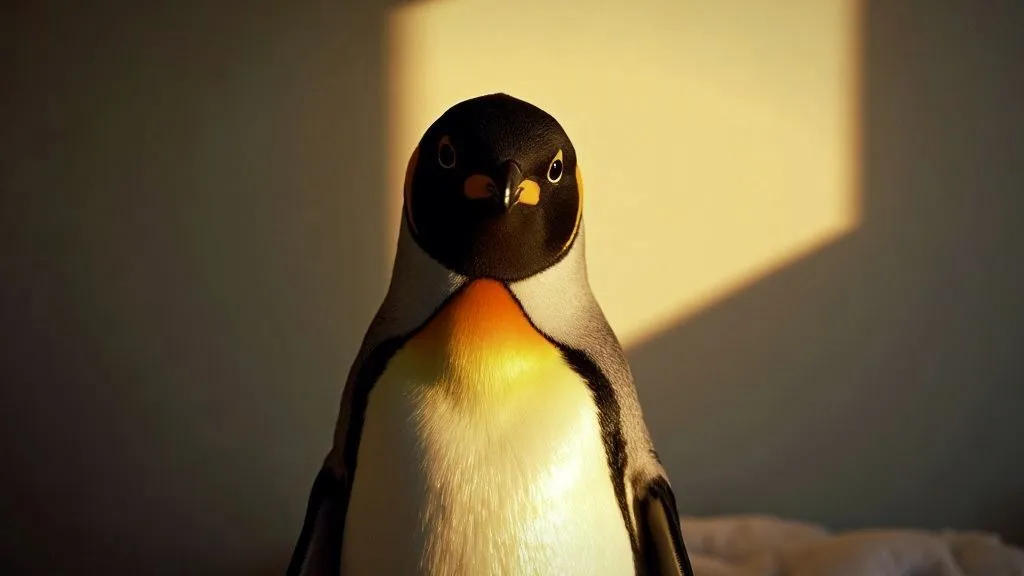
Penguins are unique creatures that capture the imagination of many. With their distinct waddle and playful demeanor, these flightless birds are beloved by animal enthusiasts around the globe. This article delves into the fascinating aspects of penguin life, including their habitats, behaviors, and the ecological challenges they face.
The Unique Habitats of Penguins
Penguins are predominantly found in the Southern Hemisphere, especially in Antarctica. However, they are not limited to icy landscapes; various species inhabit temperate regions and even the equatorial zone. For instance, the Galápagos penguin is known for residing near the equator, showcasing the adaptability of these birds.
Antarctic Penguins
Antarctica is home to several well-known penguin species, including the Emperor and Adélie penguins. The harsh, frigid environment may seem inhospitable, but these penguins have evolved remarkable adaptations. For instance, the Emperor penguin breeds during the bitter winter months, relying on its insulating layer of blubber and dense feathers to withstand the cold.
Temperate Regions
In contrast, temperate species, such as the Magellanic and Humboldt penguins, inhabit more moderate climates. These penguins can often be found along the coasts of South America and the Falkland Islands. Their ability to thrive in less extreme temperatures allows them to nest in burrows or under rocks, offering protection from the elements and predators.
The Social Structure of Penguin Colonies
Penguins are highly social animals and often live in large colonies. These colonies can range from a few individuals to thousands, depending on the species and environmental conditions. Social behaviors play a crucial role in the survival of penguins, influencing breeding, foraging, and protection against predators.
Mating and Breeding
Penguins typically engage in monogamous relationships during the breeding season. Courtship displays, such as vocalizations and synchronized movements, are common as penguins seek to attract mates. Once paired, they work together to build nests, usually made from pebbles, grass, or even feathers.
After laying one or two eggs, parents take turns incubating them. In the case of the Emperor penguin, the male takes on the daunting responsibility of keeping the egg warm on his feet while the female goes out to hunt for food. This cooperative effort exemplifies the strong bond between penguin mates.
Parental Care
Penguin chicks require significant parental care after hatching. Both parents are involved in feeding their young, regurgitating partially digested food to nourish the chicks. This nurturing behavior is essential for the rapid growth and development of the young penguins, which must quickly learn to swim and find food in the ocean.
Adaptations to Survive
The unique physical and behavioral adaptations of penguins enable them to thrive in their environments. Their streamlined bodies and strong flippers make them exceptional swimmers, allowing them to dive deep for fish, squid, and krill.
Insulation and Temperature Regulation
Penguins are equipped with a thick layer of blubber and tightly packed feathers that provide insulation against the cold. The structure of their feathers is designed to keep water out, ensuring that they remain dry and warm even while swimming in icy waters. This insulation is vital for maintaining their body temperature during long periods spent in frigid conditions.
Foraging Strategies
Penguins have developed various foraging strategies depending on their species and habitat. Some species dive to great depths in search of food, while others prefer to hunt closer to the surface. Their remarkable vision underwater allows them to spot prey effectively, and they can hold their breath for several minutes while diving.
The Threats Facing Penguin Populations
Despite their resilience, penguins face numerous threats that jeopardize their survival. Climate change, habitat destruction, and overfishing are among the primary challenges impacting their populations.
Climate Change
Rising temperatures and melting sea ice pose significant risks to penguin habitats. Many species rely on stable ice conditions for breeding and foraging. As the ice melts, their nesting grounds are reduced, and their food sources become scarcer. This disruption can lead to decreased reproductive success and increased mortality rates.
Overfishing
Overfishing of key prey species such as fish and krill can severely impact penguin populations. As human fishing activities deplete these resources, penguins may struggle to find adequate food, leading to malnutrition and declining chick survival rates.
Conservation Efforts
Recognizing the plight of penguins, various conservation efforts are underway to protect these remarkable birds. Organizations worldwide are working to raise awareness about penguin habitats and the threats they face. Initiatives include establishing marine protected areas, regulating fishing practices, and conducting research to better understand penguin ecology.
Community Engagement
Engaging local communities in conservation efforts is vital for the success of these initiatives. By educating people about the importance of penguins and their ecosystems, conservationists can foster a sense of stewardship and encourage sustainable practices that benefit both wildlife and local communities.
Conclusion
Penguins are captivating birds that embody the beauty of nature’s diversity. Their unique adaptations, complex social structures, and the challenges they face make them a crucial part of the planet’s ecological tapestry. As we continue to explore and learn about these incredible animals, it is essential to recognize our role in their conservation. By supporting efforts to protect their habitats and ensure their survival, we can contribute to a future where penguins thrive in the wild.
For more in-depth information about these amazing creatures, visit http://www.sayahda.com/cyc3.html.